Short fact to start: Local authority pest teams attended an estimated 271,343 rodent incidents in 2023 roughly 743 rodent visits per day across the UK and councils continued to see rising rodent reports into 2024–25. If you’re in Romford, that means the problem is local and real. (DLG Corporate Corporate Website)
Why DIY Pest Control Looks Attractive — and Why It Often Fails
DIY feels cheaper and faster. The reality: misidentification, incorrect product use, and ignoring the infestation’s source often turn small problems into repeated, costly failures. This guide will show what to avoid, what works, and when Saxon Pest Management should be your next call.
Misidentifying The Pest: Costly Mistakes That Make Infestations Worse
Why it matters
Different pests need different strategies. Treating a mouse problem like a rat problem, or confusing garden ants with pharaoh ants, leads to wasted treatments and time.
Common Mis-ID Errors Romford Homeowners Make
- Rats vs. mice: Rats leave larger droppings, bigger gnaw marks, and runways along walls; mice leave smaller droppings and can squeeze through smaller gaps. Treating mice with rat-sized baits is overkill (and may be illegal if you use restricted rodenticides incorrectly).
- Wasps vs. bees: Wasps are aggressive late summer and nest in roofs, walls, or ground. Removing a bee colony can be illegal if they are protected species in certain contexts.
- Fleas vs. bedbugs vs. mites: Symptoms (bites, itching) are not reliable for ID — these pests require inspection, not guesswork.
How to Quickly Verify
- Take clear photos of the pest, droppings, nests, or tracks.
- Note time of activity (day vs. night), food sources (garbage, pet food), and locations (kitchens, lofts, gardens).
Using The Wrong Product — or The Wrong Dose
The Twin Errors: Product Choice and Dosage
More pesticide does not mean better results. Overdosing increases risk to people and pets, and underdosing fails and breeds resistance. Many store-bought products are also unsuitable for severe infestations.
Practical Examples
- Rodenticides: Incorrect use leads to secondary poisonings (pets, wildlife) and illegal disposal problems. Local authorities removed hundreds of thousands of infestations — meaning DIY baits are commonly misused or ineffective. (DLG Corporate Corporate Website)
- Sprays and foggers: Overuse indoors can leave residues, trigger asthma/allergies, and still miss hidden nests or burrows.
Safe Rules of Thumb
- Read the product label fully — it’s the law and the safety guide.
- Use traps in preference to poisons for homes with children/pets where practical.
- For chemical treatments, follow manufacturer dose instructions exactly and use PPE.
Ignoring The Source: Entry Points, Food, Water, and Nesting Sites
Killing Pests Doesn’t Fix Why They Came
A single poisoned rat or swatted wasp is cosmetic if the entry point, food sources, or nesting spots remain.
Checklist: Inspect Before You Spray
- Gaps around pipework, vents, and doors (rats squeeze through surprisingly small holes).
- Sinks, drains, and faulty sewers — these are proven rat access points across UK towns and cities. (DLG Corporate Corporate Website)
- Food storage: pet food, compost bins, and unsealed bins.
- Garden clutter, woodpiles, and overgrown vegetation that provide shelter.
What to Do Instead of Spraying
- Seal gaps with metal mesh, expanding foam where legal, and contractor-grade proofing.
- Secure bins, remove garden food sources, repair pipework and drainage faults.
- Schedule a full-site inspection — professionals combine proofing with targeted treatments so the problem stops repeating.
Unsafe Application: Risks to Family, Pets, and The Environment
Health and Legal Risks
Using household pesticides incorrectly can expose family members and pets to toxins, contaminate food surfaces, and contravene safety codes. There are clinical reports of severe reactions to wasp stings and systemic poisoning from improper pesticide use. (PMC)
Simple Safety Protocols
- Keep chemicals in original containers and out of reach.
- Ventilate spaces after application.
- Use gloves and a mask if the product label requires them.
- Don’t use banned or unlabelled substances — retailers sometimes mislabel items; always verify EH/CE/UKCA compliance.
Poor Placement of Traps and Baits — Placement Beats Power
The Most Common Rookie Error
People put traps and baits where they’re convenient, not where pests actually travel. A powerful trap in the wrong spot is useless.
Placement Principles
- Rodents run along walls and behind appliances; place traps perpendicular to the run with the trigger facing the wall.
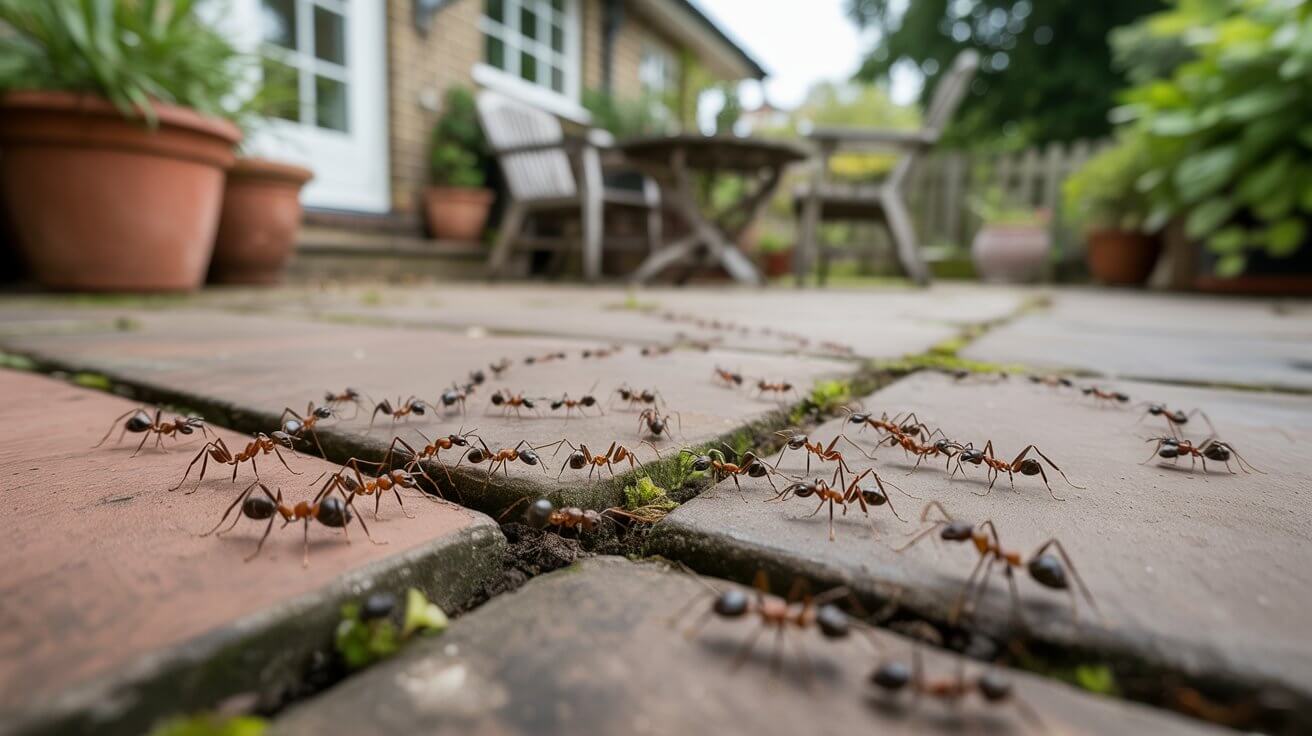
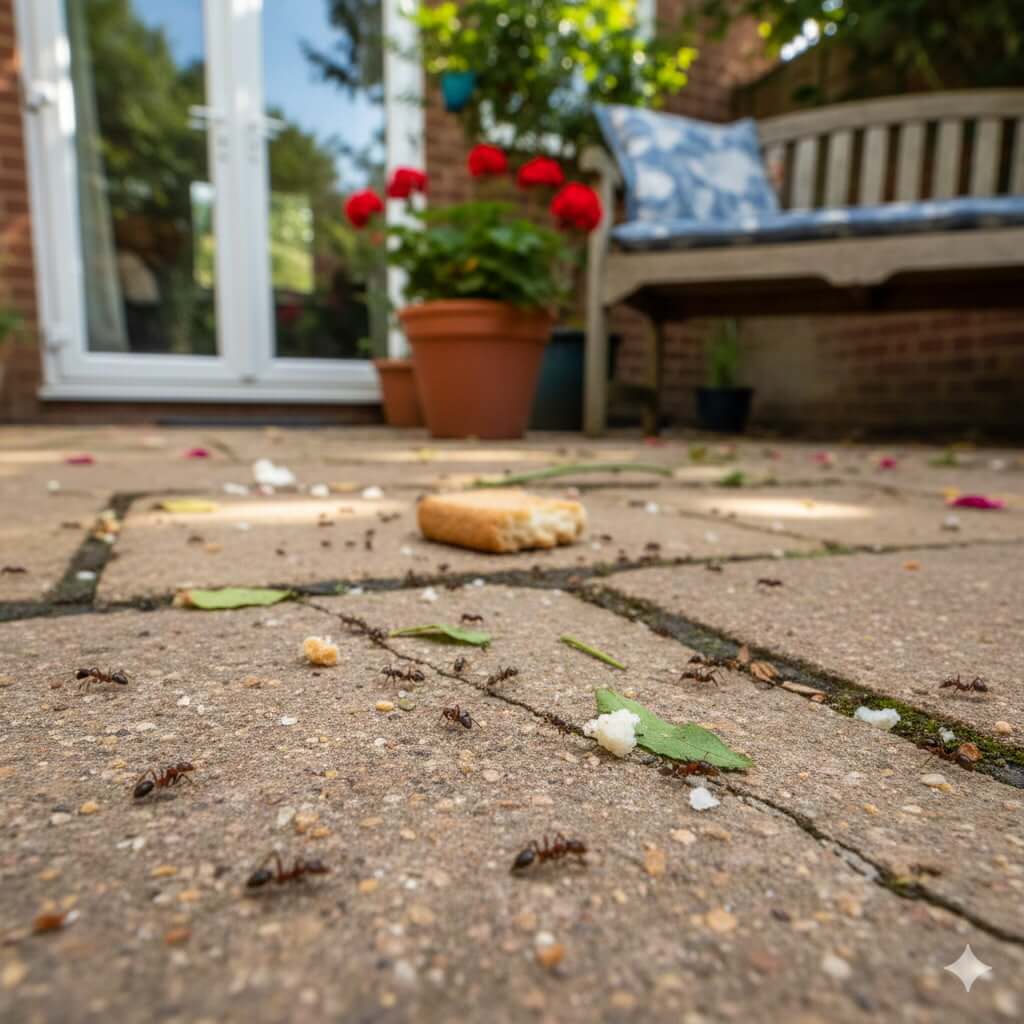
- Ant baits must be placed on the foraging path, not randomly on countertops.
- Wasps: nest activity should be visually confirmed; surface sprays only treat adults, not the queen in the nest.
Example Checklist for Placement (Quick)
- Follow edges and corners for rodents.
- Set multiple low-dose bait stations near evidence (droppings, grease marks).
- Place ant baits at floor level near trails; don’t spray the trail.
- For wasps, never attempt large nest removals yourself — call pros for safe removal. (bpca.org.uk)
When to Stop DIY and Call Saxon Pest Management
Clear Red Flags That Mean “call a pro now”
- Repeated sightings after multiple DIY attempts.
- Structural damage (chewed wiring, gnawed pipes).
- Bites, allergic reactions, or health symptoms.
- Large nests or infestations (more than a few wasps, swarm or colony-level problems).
- Public health risk indicators (food contamination, commercial kitchens, hospitals). (Food Standards Agency)
Quick Diagnostic Checklist for Homeowners
- Frequency: Are sightings daily or weekly?
- Evidence: Do you have droppings, tracks, or chewed materials?
- Location: Is activity in living spaces, loft, or cellar?
- Attempts: How many different DIY approaches have you used? (If >2 and still ongoing, get a pro.)
If you tick any of the red-flag boxes, call Saxon Pest Management for a survey. We combine inspection, proofing, targeted treatment, and follow-up — the only way to stop reinfestation.
Prevention Checklist / Quick Wins
- Seal holes bigger than a 10p coin around pipes, vents, and foundations.
- Store food in sealed containers; keep pet food off the floor.
- Keep kitchen surfaces and drains clean; clear rubbish regularly.
- Fix leaking taps and damp areas promptly — water attracts pests.
- Remove garden clutter and store firewood away from the house.
- Use tamper-proof bait stations for rodent baits if you must use them.
- For wasps, monitor early in the season; small nests removed early are safer and cheaper.
- Schedule an annual pest audit if you’re in a high-risk area of Romford.
Data Snapshot (UK context) — Table for Quick Reference
| Metric | Value / Finding | Source |
|---|---|---|
| Local authority rodent visits (2023) | 271,343 visits (≈743/day) | Direct Line research. (DLG Corporate Corporate Website) |
| Council pest control visits (2024) | 291,132 visits; 91% rodents | Direct Line 2025 update. (DLG Corporate Corporate Website) |
| NHS insect bites page traffic (June 2023) | 261,364 monthly visits (spike summer 2023) | NHS England. (NHS England) |
| Reported UK rat infestations (2023–mid-2025) | ~518,240 reports in dataset analysed | Drain Detectives analysis. (draindetectives.co.uk) |
| BPCA (industry body) guidance | Codes of practice for treatments & proofing | BPCA resources. (bpca.org.uk) |
Conclusion
Rodent and insect problems in Romford are rising; quick sprays and shop-bought fixes rarely stop repeat infestations. If you’ve tried two or more DIY methods without success, schedule a professional inspection with Saxon Pest Management. We’ll identify the pest, proof your property, and deliver targeted, safe treatments that actually stick.
Book a survey today — same-week visits often available for Romford. Call +447305056932 or use our contact form.
Sources and Further Reading
- Direct Line — rat and rodent visit research (2023–2025). (DLG Corporate Corporate Website)
- NHS England — insect bites and stings page traffic and guidance. (NHS England)
- Food Standards Agency — incidents & resilience reports (food safety links to pest risks). (Food Standards Agency)
- British Pest Control Association — industry best practice and codes. (bpca.org.uk)
- Clinical literature on wasp stings and systemic risks. (PMC)
- Data analysis and news summaries on increasing rat reports (Drain Detectives, Pest magazines). (draindetectives.co.uk)
FAQ’s
1. What pests are most common in Romford homes?
Rodents, ants, wasps, and cockroaches are the most frequent household pests reported in the borough. Rodents are especially active around older drainage systems, while ant colonies spike in warmer months. Wasps become aggressive in late summer when nests mature.
2. Is DIY pest control effective for small infestations?
Sometimes, but only when the pest is correctly identified and the source is removed. Most DIY failures happen because homeowners misidentify the species, use the wrong product, or don’t fix entry points. If activity continues after two attempts, you should switch to professional treatment.
3. Are over-the-counter rodent poisons safe to use at home?
Not always. Many contain restricted active ingredients that must be used under specific conditions. Improper use can harm pets, wildlife, and even humans. Professionals apply rodenticides within regulated safety standards and use tamper-resistant stations.
4. How can I tell if I have rats or mice?
Rats leave larger droppings (about the size of a raisin) and often produce grease marks along walls. Mice leave small rice-sized droppings and tend to scatter them in multiple spots. Rats make louder noises and favor lofts, drains, and external gaps, while mice often nest closer to kitchens.
5. Can I remove a wasp nest myself?
It’s not recommended. Wasps become extremely aggressive when disturbed, and incorrectly treated nests can cause multiple stings. If the nest is active or inside a wall, loft, or tree, a professional should handle it.
6. How long does a professional pest treatment take to work?
It depends on the pest. Rodent activity can drop within 24 to 72 hours after treatment, while ant and cockroach treatments may take 7 to 14 days. Follow-up visits ensure the infestation is fully resolved and prevent new pests from entering.
7. What should I do before a pest control visit?
Clear access to affected rooms, move furniture away from walls where possible, and store food securely. If you have pets, arrange to keep them out of treated areas until surfaces are safe.
8. How can I prevent pests from returning?
Seal entry points, maintain clean kitchen surfaces, secure bin lids, repair water leaks, and store food in airtight containers. Scheduling an annual inspection helps detect early signs of infestation before they grow.
9. Do Saxon Pest Management offer same-week service in Romford?
Yes. Most appointments can be scheduled within the same week, especially for urgent rodent or wasp issues. Priority slots are available during peak summer months.