Summary
“Dealing with rodents in East London? This guide teaches you how to get rid of rats in Romford by identifying entry points, using professional-grade proofing, and understanding when to call in local experts like Saxon Pest Management. ”
Dealing with rodents is more than just a nuisance; for homeowners in Romford, it is a matter of property maintenance and family health. Whether you live in a Victorian terrace near Romford Market or a modern apartment in Gidea Park, rats are an unfortunate reality of urban and suburban life in East London.
If you have heard the unmistakable sound of scratching in your loft or spotted droppings behind your kitchen appliances, you need to act fast. Rats reproduce at an alarming rate, and a small problem can become a full-blown infestation in just a few weeks.
In this comprehensive guide, we will walk you through exactly how to get rid of rats in Romford, from identifying early warning signs to implementing professional-grade proofing strategies.
Summary: What You Need to Know
- Identify Fast: Look for droppings, gnaw marks, and greasy “rub marks” along skirting boards.
- Remove Incentives: Secure your bins, remove bird feeders, and fix any leaking pipes.
- Seal Entry Points: Use wire wool and metal plates; rats can squeeze through a gap the size of a thumb.
- Professional Help: If DIY methods fail, contact local pest experts in Romford to secure your home.
Why Romford Homes are Prone to Rat Infestations
Romford’s unique geography and infrastructure make it a prime location for the Brown Rat (Rattus norvegicus). Several factors contribute to why we see so much activity in the RM1, RM2, and RM7 areas:
- The River Rom and Local Parklands: Areas surrounding Raphael Park and Lodge Farm Park provide natural habitats. When the temperature drops, rats migrate from these green spaces into nearby residential properties.
- Aging Drainage Systems: Many Romford homes are connected to older sewer networks. Rats are excellent swimmers and often enter homes through displaced pipes or redundant drains.
- High-Density Living: With the abundance of takeaways and shops near The Liberty Shopping Centre and The Brewery, food waste is a constant draw for rodents.
Understanding these local factors is the first step in creating a defense plan for your property.
Step 1: Identify the Signs of Activity
Before you can take action, you must confirm you are dealing with rats and not mice or squirrels. Rats are larger, more destructive, and carry different health risks.
Common indicators include:
- Droppings: Dark brown, tapered at the ends, and about 12mm to 15mm long.
- Noises: Heavy scratching or “scurrying” sounds, usually at night, coming from cavity walls or loft spaces.
- Damage: Evidence of gnawing on electrical cables, plastic pipes, and wooden structures.
- Smell: A strong, stale ammonia odor that lingers in unventilated areas like basements or lofts.
For a deeper dive into what to look for, check out our guide on common signs of a pest infestation in Romford.
Step 2: Eliminate Food and Water Sources
Rats stay in your home because it provides “harbourage” warmth, safety, and food. To get rid of rats in Romford, you must make your home as inhospitable as possible.
- Secure External Bins: Ensure your black and green bins have tight-fitting lids. Rats are known to chew through thin plastic, so consider reinforcing the base if you notice gnaw marks.
- Stop Bird Feeding: While we all love the local wildlife, bird seed is a primary food source for rats in East London gardens. Pause feeding until the infestation is cleared.
- Kitchen Hygiene: Sweep up crumbs, store dry goods in glass or metal containers, and never leave pet food out overnight.
- Fix Leaks: Rats need a daily water source. Check under kitchen sinks and outdoor taps for any drips.
Step 3: Perform a “Proofing” Audit
Proofing is the process of physically blocking rats from entering your home. This is the most critical step for long-term success. A rat’s teeth are strong enough to chew through wood, plastic, and even soft metals like lead.
Where to check:
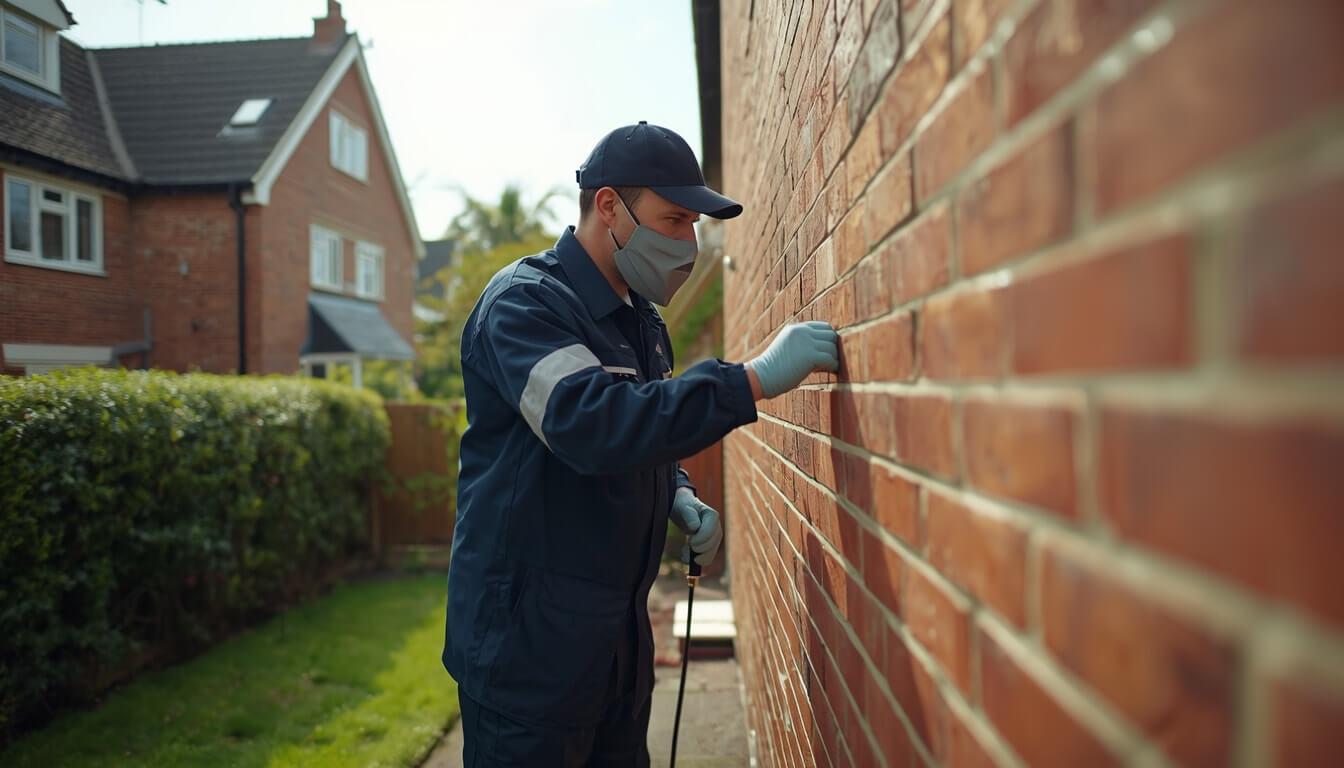
- Air Bricks: These are essential for ventilation but are often large enough for young rats to enter. Install stainless steel mouse/rat mesh covers.
- Pipe Entry Points: Check where washing machine pipes or gas lines enter the wall. If there is a gap, fill it with a mixture of “Stuf-fit” copper mesh or steel wool and quick-setting mortar.
- Door Sweeps: If you can see daylight under your back door, a rat can get in. Install a heavy-duty brush or rubber strip.
- Eaves and Rooflines: Use a ladder to check for gaps in the fascia boards. Rats are excellent climbers and will often enter lofts via overhanging tree branches.
Step 4: Safe Trapping and Baiting Strategies
If rats are already inside, proofing them in can lead to more damage as they try to chew their way out. You must remove the current population.
- Snap Traps: These are often more effective than poison for small infestations. Place them at right angles to the wall, as rats prefer to travel along the edges of a room. Use high-protein bait like peanut butter or chocolate spread rather than cheese.
- Bait Stations: If using rodenticides, always use tamper-resistant bait stations. This is vital if you have pets or children. Note that many rats in London have developed resistance to common DIY poisons found in hardware stores.
- Placement is Key: Focus on “rat runs” the paths they take between their nest and food source.
For more professional techniques, read our article on smart pest control tips in Romford to see how modern technology is changing the way we handle infestations.
Step 5: The “Hidden” Entry Point – The Drainage System
In Romford, we find that a significant percentage of rat problems originate in the sewers. If you have cleared the rats but they keep returning, the issue is likely underground.
Rats can enter through:
- Cracked Pipes: Ground movement or tree roots can break clay pipes.
- Redundant Drains: Old pipes left over from renovations that weren’t properly capped.
- Displaced Joints: Allowing rats to exit the sewer and burrow up under your floorboards.
A CCTV Drain Survey is the only way to confirm this. By using a remote camera, we can find the exact location of the break and install a “Rat Blocker” (a one-way valve) that allows waste out but prevents rats from coming in.
The Dangers of Rats in Your Home
It isn’t just about the property damage. Rats carry a variety of pathogens that can be dangerous to humans and pets, including:
- Leptospirosis (Weil’s Disease): Spread through rat urine; it can cause kidney failure in humans.
- Salmonella: Spread through droppings and contact with surfaces.
- Lyme Disease: Rats carry ticks, which can jump to pets and humans.
- Fire Risk: By gnawing on electrical insulation, rats are a leading cause of “unexplained” domestic fires in the UK.
DIY vs. Professional Pest Control in Romford
Many homeowners try the DIY route first. While hardware store traps can work for a single stray rodent, a colonial infestation usually requires professional intervention.
Why hire Saxon Pest Management?
- Local Knowledge: We understand the specific construction styles of Romford homes and where the common weak points are.
- Professional-Grade Products: We have access to rodenticides and tracking dusts that are not available to the general public.
- Guaranteed Results: We don’t just kill the rats; we identify the entry points and provide a long-term solution.
- Safety: We ensure all treatments are safe for your family and domestic animals.
If you are feeling overwhelmed, it is always safer to call in the local pest experts in Romford rather than letting the problem escalate.
Frequently Asked Questions (FAQ)
How long does it take to get rid of rats?
Typically, a standard infestation can be cleared within 7 to 14 days, provided that proofing is carried out simultaneously with trapping.
Does Havering Council provide free rat removal?
As of current guidelines, most local councils, including Havering, charge a fee for pest control services within domestic properties. Private contractors often provide faster response times and more thorough proofing services.
What is the best bait for rats in Romford?
While peanut butter is a classic, we often find that “highly aromatic” baits like smoky bacon or even dried fruit work well in urban environments where rats are used to a varied diet from local bins.
Can rats climb up toilets?
Yes, though it is rare. Rats are excellent swimmers and can hold their breath for several minutes, allowing them to navigate the “U-bend” of a toilet if the sewer system is infested.
Final Checklist for Romford Homeowners
To ensure your home stays rat-free, follow this maintenance schedule:
- Quarterly: Inspect the perimeter of your house for new holes or gnaw marks.
- Autumn: Be extra vigilant as the weather cools; this is “peak migration” season for rodents.
- Annually: Have your drains checked, especially if you live in an older property or have recently had building work done.
Conclusion
Learning how to get rid of rats in Romford is about more than just setting a few traps; it’s about understanding the local environment and securing your home’s defenses. By following the steps of identification, sanitation, and professional-grade proofing, you can protect your property from the damage and disease these rodents bring.
Don’t wait until the scratching gets louder. Taking early action is the most cost-effective way to manage pests.
If you’re currently struggling with a rodent issue, contact Saxon Pest Management today. We are your local experts, dedicated to keeping Romford homes safe, clean, and pest-free.