

Summary
“Studies from major universities confirm that high-frequency sound waves are easily blocked by furniture and do not penetrate walls, leaving pests in nesting areas completely undisturbed.”
You have spotted droppings in the kitchen cupboard, heard scratching in the loft, or noticed insects scurrying across the floor. The immediate reaction is often dread nobody wants to deal with toxic chemicals, snap traps, or the hassle of booking a technician.
Then, you see a solution that seems perfect: a sleek, plug-in device at Argos or Amazon promising to drive pests away using “silent” sound waves. It sounds like the ultimate humane, chemical-free fix. But before you spend £30 to £100 on these gadgets, you need to know if the technology actually delivers on its promises.
As professional pest controllers at Saxon Pest Management, we encounter this scenario weekly. We arrive at properties where homeowners have plugged in multiple ultrasonic units, only to find mice nesting directly behind them.
This article cuts through the marketing hype to answer the critical question: does ultrasonic pest control work? We will analyse the scientific evidence, explain why the biology of pests often defeats this technology, and provide you with proven alternatives to protect your home.
What Is Ultrasonic Pest Control?
Ultrasonic pest control devices are electronic units designed to emit high-frequency sound waves, typically measuring between 20 kHz and 65 kHz. This frequency range is known as “ultrasound” sounds that are too high-pitched for the human ear to detect but are theoretically audible to rodents and certain insects.
The Theory Behind the Tech
The concept is straightforward: the device emits a loud, high-pitched siren that creates an unbearable environment for pests. Manufacturers claim this “sonic shield” causes auditory stress, disorientation, and discomfort, forcing pests to flee the area rather than nest there.
These devices come in various forms for the UK market:
- Plug-in units: Powered by standard wall sockets, often with nightlights.
- Battery-operated models: For lofts, sheds, or caravans.
- Solar-powered spikes: Designed for garden pests like moles.
Brands widely available in British retailers include Pest-Stop, Pestbye, and Riddex. They target a wide range of invaders, from mice and rats to spiders, cockroaches, and fleas. However, the popularity of these devices is often driven by their low cost and ease of use rather than verified effectiveness.
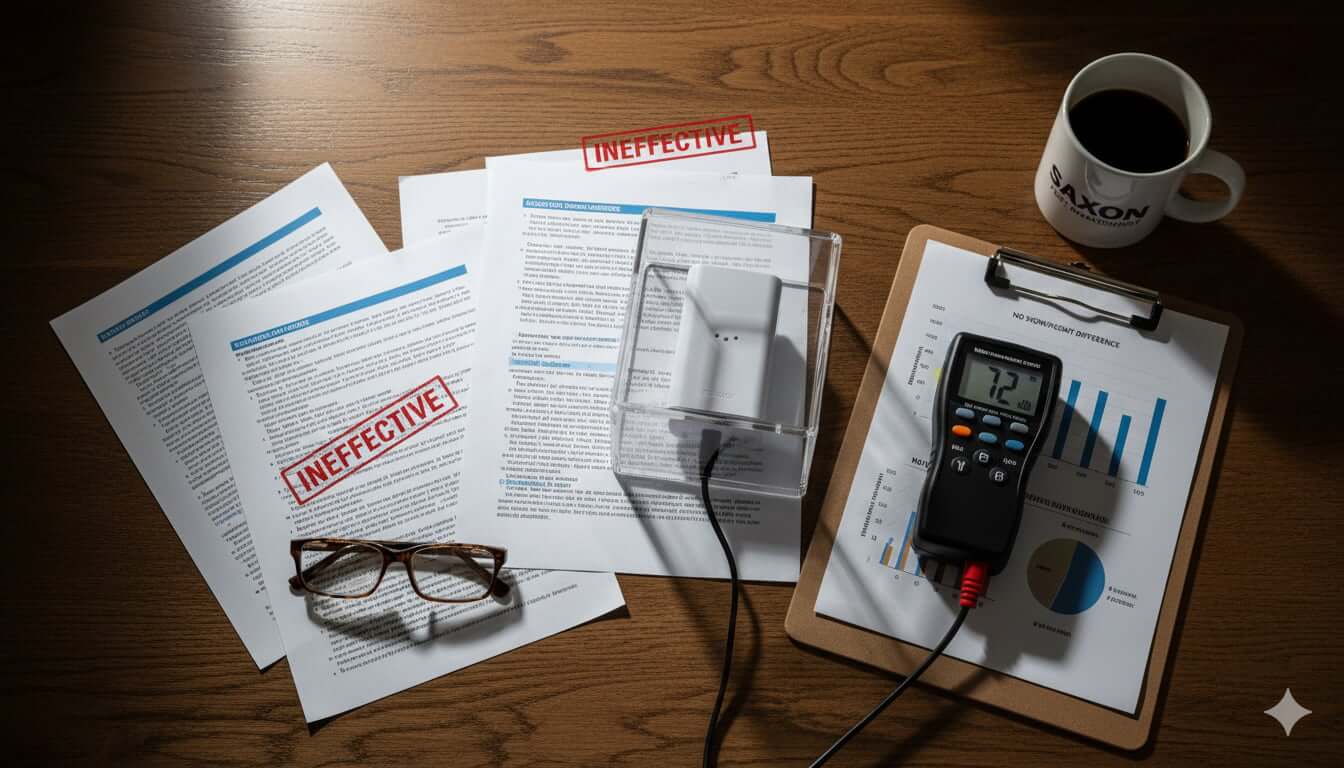
The Science Behind Ultrasonic Pest Control
To determine if these devices work, we must look beyond the packaging claims and examine independent scientific research. Over the last two decades, numerous studies have tested the efficacy of ultrasonic repellents, and the results are remarkably consistent.
What Research Actually Shows
Peer-reviewed studies from institutions such as Kansas State University and the University of Nebraska have rigorously tested these devices. The consensus? There is little scientific evidence to support the claim that ultrasonic devices provide effective, long-term pest control.
For example, a landmark study at Kansas State University tested commercial ultrasonic devices against cockroaches, fleas, and spiders. The results showed “no significant difference” in pest activity between treated and untreated rooms.
Similarly, the US Federal Trade Commission (FTC) has previously taken legal action against manufacturers for making unsubstantiated claims about their products’ ability to eliminate infestations. The scientific reality is that while the sound exists, it rarely achieves the desired result of pest removal.
Why the Theory Fails in Reality
Even if a device emits the correct frequency, two major factors prevent it from working in a typical UK home:
- Physics (Attenuation): Unlike Wi-Fi signals which pass through walls, ultrasonic sound waves behave like light they cannot penetrate solid objects. They bounce off walls, furniture, and carpets. If you plug a device into a socket behind a sofa, the sound is immediately absorbed by the upholstery. A mouse inside a cavity wall or under floorboards common nesting sites in British homes will hear absolutely nothing.
- Biology (Habituation): This is the most critical failure point. Rodents are adaptable survivalists. While a sudden high-pitched noise might startle a rat initially (known as the “audiogenic seizure response”), they quickly realise the sound poses no physical threat. Just as humans eventually ignore the sound of a ticking clock or traffic noise, pests habituate to the ultrasonic frequency within a few days.
Do Ultrasonic Repellers Work Against Specific Pests?
Different pests react differently to sound, but the outcome for the homeowner is usually the same: the infestation remains.
Effectiveness Against Rodents (Mice and Rats)
Rodents have excellent hearing, extending well into the ultrasonic range (up to 90 kHz for mice). When a device is first switched on, you might notice a temporary change in behaviour. Mice might avoid the immediate area or seem more active as they investigate the new stimulus.
However, this effect is short-lived. Studies show that habituation typically occurs within 3 to 10 days. Furthermore, the biological drive for food and shelter is far stronger than the annoyance of a noise. If your kitchen offers crumbs and warmth, a hungry mouse will tolerate the sound to survive. We have frequently seen rodent nests built within inches of “active” ultrasonic units.
For effective mouse control or rat control, relying on sound waves is a risky strategy that allows populations to breed unchecked.
Effectiveness Against Insects
The evidence for insects is even weaker.
- Spiders: Spiders do not have ears in the traditional sense; they detect vibrations through hairs on their legs. Airborne ultrasonic waves generally do not create enough vibration to disturb them.
- Cockroaches and Ants: Research indicates that these insects are largely unaffected by ultrasonic frequencies. They communicate via chemical trails (pheromones), which sound waves cannot disrupt.
- Mosquitoes: Some devices claim to mimic the sound of dragonflies (a predator) to scare mosquitoes. Extensive testing has shown these to be completely ineffective, with no reduction in biting rates.
Limitations and Drawbacks
If you are considering buying an ultrasonic device, it is vital to understand the severe limitations they face in a domestic environment.
1. Line-of-Sight Requirements
Because ultrasonic waves cannot penetrate walls or furniture, you would theoretically need one device for every single room, hallway, and void space. In a standard 3-bedroom UK home, this could require purchasing 10+ units to achieve the “coverage” manufacturers claim, making it a surprisingly expensive “cheap” solution.
2. The “Shadow” Effect
Sound shadows occur behind every object in a room. A mouse running along a skirting board behind a cabinet is in a “sound shadow” and is completely protected from the device. Since pests naturally gravitate towards cluttered, hidden areas, they spend most of their time in these dead zones where the device cannot reach them.
3. Impact on Pets
While humans cannot hear these frequencies, many household pets can.
- Cats and Dogs: Usually unaffected, though some may tilt their heads or show curiosity initially.
- Small Mammals: Hamsters, guinea pigs, rabbits, and pet rats have hearing ranges that overlap perfectly with ultrasonic repellers. Placing these devices in a home with small pets can cause them significant distress and anxiety.
4. False Sense of Security
The biggest danger of these devices is not that they waste money, but that they waste time. A pair of mice can produce a litter of 6-10 young every 21 days. By the time a homeowner realises the ultrasonic device isn’t working (usually after 3-4 weeks), a minor intrusion has turned into a full-blown infestation requiring professional pest control services.
Proven Alternatives That Actually Work
If ultrasonic devices are a gimmick, what actually works? Effective pest control relies on Integrated Pest Management (IPM) a strategy combining exclusion, sanitation, and targeted elimination.
1. Professional Pest Control Services
For established infestations, professional intervention is the most reliable route. At Saxon Pest Management, we use methods backed by science, not marketing.
- Site Surveys: We identify the species, the entry points, and the scale of the problem.
- Targeted Treatment: We use professional-grade rodenticides and traps that are far more effective than DIY store-bought options.
- Safety: We ensure treatments are safe for children and non-target pets.
If you are a business owner, our commercial pest control ensures you remain compliant with UK health and safety laws something a plug-in device cannot offer.
2. Physical Exclusion (Proofing)
You cannot repel a pest that has nowhere to enter.
- Wire Wool & Caulk: Mice can squeeze through gaps the width of a pencil (6mm). Seal gaps around pipes, vents, and gas lines with wire wool mixed with caulking.
- Door Sweeps: Install bristle strips or rubber sweeps on the bottom of exterior doors to close gaps.
- Air Bricks: Cover air bricks with fine wire mesh to prevent insect and rodent entry while maintaining airflow.
3. Trapping (The Reliable DIY Method)
If you prefer to handle a minor issue yourself, traditional snap traps are superior to ultrasonic devices.
- Placement: Place traps perpendicular to the wall (trigger side facing the wall) where rodents travel.
- Bait: Use peanut butter or chocolate spread (more effective than cheese).
- Quantity: Use more traps than you think you need. For a single mouse, set 3-6 traps.
4. Sanitation and Environmental Management
Remove the reasons pests are entering your home.
- Store food in airtight plastic or glass containers (rodents can chew through cardboard).
- Clean up pet food and water bowls at night.
- Clear vegetation and clutter from the immediate exterior of your home to remove hiding spots.
Comparison: Ultrasonic vs. Traditional Methods
| Feature | Ultrasonic Devices | Professional/Traditional Control |
| Scientific Evidence | Weak / Non-existent | Strong / Proven |
| Habituation | High (Pests ignore it quickly) | None (Traps/Bait always work) |
| Barrier Penetration | None (Blocked by furniture) | High (Treatments go where pests are) |
| Cost | £30 – £100+ (Ongoing electricity) | Variable (One-off or Contract) |
| Long-term Result | Failure likely | Elimination guaranteed |
What to Do If You Have Already Bought One
If you have already purchased an ultrasonic repeller, do not panic, but do not rely on it as your sole line of defence.
- Check the Return Policy: Many retailers like Amazon or Argos offer 30-day returns. If you are seeing no results, return it.
- Don’t Stop Other Methods: If you keep the device, ensure you are also sealing holes and setting traps. Never assume the device is protecting you.
- Monitor Activity: Use flour or talcum powder along skirting boards to track footprints. If you see tracks near the device, you have definitive proof it isn’t working.
Frequently Asked Questions (FAQ)
Do ultrasonic pest repellers actually work?
No, reliable scientific studies indicate they do not. While they may cause a brief startle response, pests habituate to the noise within a few days. The sound waves are also easily blocked by furniture and cannot penetrate walls where pests nest.
How long does it take for ultrasonic pest repellers to work?
Manufacturers often claim it takes 2-4 weeks to see results. In reality, this “waiting period” often allows the infestation to grow. If a device has not shown results within 48 hours, it is unlikely to work at all.
Are ultrasonic devices safe for dogs and cats?
Generally, yes. The frequency (usually above 20 kHz) is outside the hearing range of most dogs and cats. However, small pets like hamsters, guinea pigs, and rabbits can hear these high frequencies and may be distressed by them.
Can ultrasonic sound go through walls?
No. Ultrasonic waves act like light they cannot pass through solid masonry, wood, or plasterboard. A device plugged into your hallway will have zero effect on mice nesting inside the cavity walls or in the loft.
Do electromagnetic pest repellers work better?
Electromagnetic devices claim to use the wiring in your house to repel pests. Like ultrasonic devices, there is very little scientific evidence to support these claims. Most experts consider them equally ineffective.
Conclusion
The allure of a “plug-in and forget” solution is powerful, but the reality of pest control is that there are no magic shortcuts. Does ultrasonic pest control work? The short answer is no. The combination of sound-blocking obstacles in your home and the rapid habituation of pests makes these devices a poor investment.
Pests are driven by powerful biological instincts to find food, warmth, and shelter. A high-pitched noise is simply not a strong enough deterrent to override survival needs, especially in the UK climate.
If you are facing a pest problem, save your money on electronic gadgets. Instead, focus on sealing entry points and using proven removal methods. For complete peace of mind and guaranteed results, professional assistance is always the most effective route.
At Saxon Pest Management, we provide honest, transparent, and effective solutions for homes and businesses across London and surrounding areas. Don’t let a small pest problem become a major infestation while waiting for a gadget to work.
Need expert help? Contact us today for a free quote and a solution that actually works.